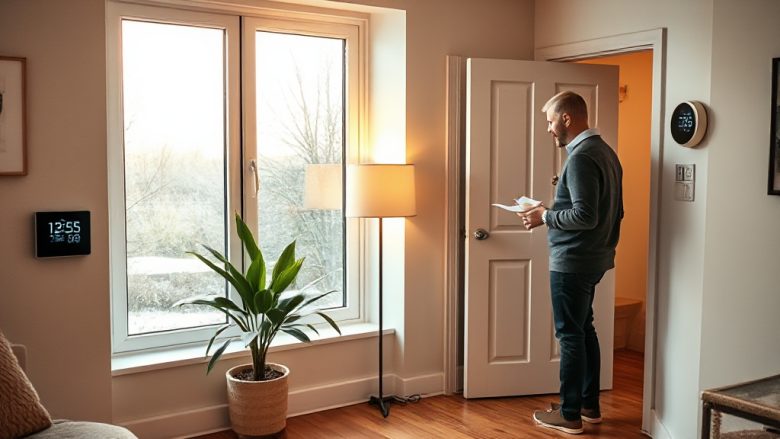
The bill lands on the doormat and you stare at the number. It’s higher than last winter. The heating has been on, sure, but not wildly so. You look around the living room and wonder which part of the house is quietly draining your money. Is it the draughty window? The ancient boiler? The loft that feels cold even in summer? Most people don’t want a physics lecture. They want a straight answer to a simple question: what actually works, and what’s a waste of time?
That’s what this is. Energy efficient homes questions answered simply, without jargon, without sales talk, and without pretending every upgrade costs a fortune. Below are the questions homeowners ask most often, each answered in a couple of short paragraphs so you can get on with your day.
What actually makes a home energy efficient?
A home is energy efficient when it keeps the heat you pay for inside, and uses less power to do the same jobs. That’s the whole idea. Insulation slows heat escaping through walls, roofs and floors. Draught-proofing stops cold air sneaking in around doors, windows, pipes and letterboxes. A modern boiler or heat pump converts fuel into warmth more completely than an old one. Good glazing and thick curtains reduce losses too. None of these are glamorous, but together they decide whether your money warms the room or the sky.
Here’s the useful bit: efficiency is a stack, not a single purchase. Adding loft insulation to a house with single glazing and a 25-year-old boiler helps, but not as much as fixing all three together. If you can only do one thing, attack the biggest leak first. In most older homes that’s the roof and the draughts, because heat rises and gaps are cheap to seal. A roll of draught excluder costs less than a takeaway and can make a noticeable difference within an hour.
Another thing people miss: how you run the house matters as much as what’s installed. A thermostat set to 19°C instead of 22°C, heating on a timer rather than all evening, and radiators not blocked by sofas all reduce waste without spending a penny. Efficiency isn’t only about hardware. It’s about habits layered on top of good kit.
How much can I really save on my energy bills?
Honest answer: it depends on where you start. A leaky, poorly insulated house can cut its heating use by a third or more with a serious retrofit. A newer home that’s already decent might shave 10 to 15 percent with small tweaks. Anyone promising an exact figure without seeing your property is guessing. The variables are your fuel type, the age of the building, how many people live there, and how warm you like it.
What you can control is sequence. Cheap wins first: draught-proofing, loft insulation if it’s thin, a hot water cylinder jacket, and lowering the flow temperature on a condensing boiler. These often pay for themselves within a year or two. Bigger jobs like wall insulation, new glazing or a heat pump cost more upfront and take longer to pay back, but they also make the house more comfortable and can add value when you sell.
One more thing. Savings show up in different places. Some reduce gas or oil use, some cut electricity, and some just stop you feeling cold. If your main complaint is a chilly bedroom rather than a huge bill, spend on insulation before you spend on a bigger radiator. Fixing the leak beats feeding the fire.
Which upgrades give the best return for the money?
If you want a rough priority order, start at the top of the house and work down. Loft insulation is usually the cheapest per unit of heat saved because heat rises and lofts are easy to reach. Next comes draught-proofing and cavity wall insulation where the walls allow it. Then floor insulation and solid wall insulation, which are messier and pricier. Glazing sits lower because windows lose less heat than an uninsulated roof or wall, despite how draughty they feel.
After the fabric of the building, look at the heating system. An old boiler running at low efficiency wastes money every single day. Replacing it with a modern condensing model or a heat pump, sized correctly for your home, is often the second big win. Controls matter as much as the boiler itself. Smart thermostats and thermostatic radiator valves let you heat only the rooms you use, which is where a lot of quiet savings hide.
Renewables come last in the queue for most people, not because they’re bad but because they work best on an efficient house. Solar panels on a leaky home still help, but you’re generating power to heat a building that’s throwing it away. Insulate first, then generate. That order saves more money and more carbon.
Are energy efficient homes expensive to run and maintain?
No, and this is one of the most common misunderstandings. An efficient home costs less to run because it needs less energy to stay warm. Insulation doesn’t have moving parts and lasts decades. Draught-proofing is a few pounds of materials. A heat pump has fewer components than a gas boiler and no flue, so servicing is often simpler. The upfront cost can be higher, but the running cost is usually lower.
Maintenance is modest. Loft insulation just sits there. Cavity wall insulation is sealed in. Glazing needs occasional cleaning. The things that do need attention are the same things any home needs: a boiler service, filters changed, vents kept clear. If anything, efficient homes are less fussy because they rely on passive measures rather than machinery working hard all winter.
The real cost question is upfront affordability, not long-term running. Grants and loans exist in many areas for insulation and heat pumps, and they change often, so it’s worth checking what’s current before you commit. Even without help, the cheapest measures pay back fast enough that most households come out ahead within a few years.
Where should I start if I’m on a tight budget?
Start with a walk around the house on a cold, windy day. Hold your hand near windows, doors, letterboxes, loft hatches and pipework entering walls. You’ll feel the leaks. Seal those first with draught excluders, foam strips and silicone. It’s the lowest-cost, highest-satisfaction job in the whole list, and you’ll notice the difference the same evening.
Then check your loft. If the insulation is thinner than your hand span, topping it up is usually cheap and quick. Add a cylinder jacket if your hot water tank is bare. Turn your heating flow temperature down a notch and see if the house still feels fine. These steps cost little and often trim the bill enough to fund the next stage.
After that, save for one bigger job rather than scattering money across small fixes. A properly insulated loft and sealed draughts will do more for your comfort than a new boiler running in a leaky house. And if you’re unsure, an energy assessment gives you a ranked list tailored to your property. It’s a small fee for a plan that stops you guessing. Efficiency isn’t about spending the most. It’s about fixing the right things in the right order.